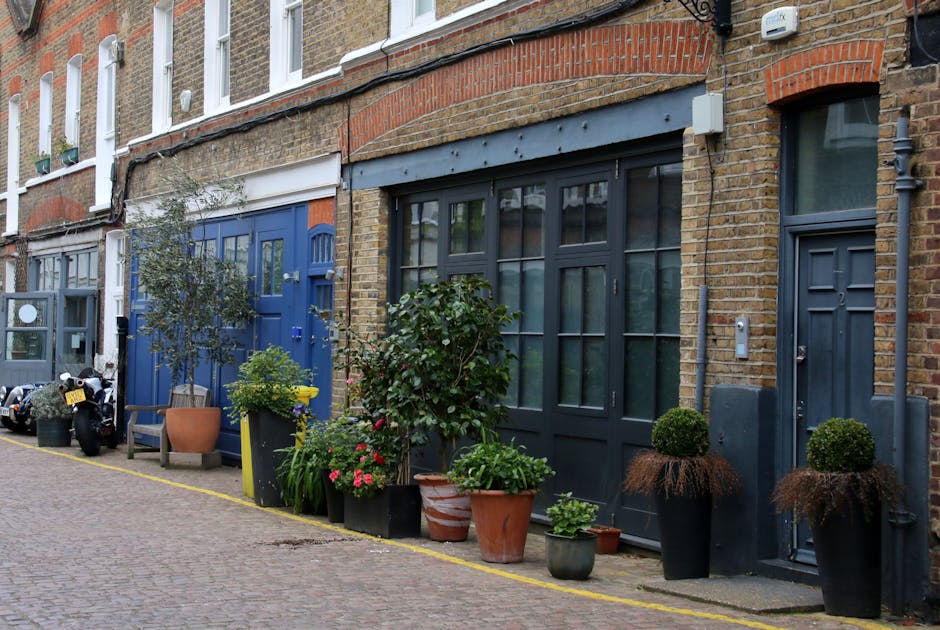
Deptford gardeners for Victorian terraces near Deptford Market: a practical guide for homes that need careful hands
Victorian terraces around Deptford Market have a character all of their own. Narrow front gardens, side access that feels just a bit too tight, old brick walls, mature shrubs planted years ago, and enough awkward corners to make even a simple tidy-up feel like a small puzzle. That is exactly why Deptford gardeners for Victorian terraces near Deptford Market is such a useful search: these homes need more than a quick mow-and-go service. They need gardeners who understand period layouts, local conditions, and the realities of busy South East London living.
If you are trying to keep a terrace looking neat from the pavement, tame an overgrown back garden, or make a small courtyard feel usable again, this guide walks through what works, what to avoid, and how to choose the right help without wasting time. You will also find a few sensible links to service information, pricing, and trust pages where they genuinely help.
Table of Contents
- Why Deptford gardeners for Victorian terraces near Deptford Market Matters
- How Deptford gardeners for Victorian terraces near Deptford Market Works
- Key Benefits and Practical Advantages
- Who This Is For and When It Makes Sense
- Step-by-Step Guidance
- Expert Tips for Better Results
- Common Mistakes to Avoid
- Tools, Resources and Recommendations
- Law, Compliance, Standards, or Best Practice
- Options, Methods, or Comparison Table
- Case Study or Real-World Example
- Practical Checklist
- Conclusion
- Frequently Asked Questions
Why Deptford gardeners for Victorian terraces near Deptford Market Matters
Victorian terraces are not just another housing type. They usually come with a mix of hard surfaces, modest garden width, old planting that has had years to settle in, and boundaries that need careful respect. Near Deptford Market, there is often extra pressure too: homes sit close to foot traffic, bins, deliveries, narrow roads, and the general pace of urban life. That means garden work has to be efficient, tidy, and considerate of neighbours. Not glamorous, perhaps, but very real.
Good gardeners in this part of Deptford understand three things that matter immediately. First, many terraces have limited storage and access, so every tool and every cut branch has to be managed properly. Second, the garden usually needs to look decent from street level, because front spaces contribute a lot to the overall feel of the property. Third, older gardens often hide issues such as compacted soil, poor drainage, self-seeded shrubs, ivy on walls, or roots that have quietly overstepped their welcome. A careful approach saves money later.
There is also a local value point. A well-kept terrace garden can make everyday life feel calmer. You step out for five minutes with a cup of tea and, instead of looking at a jungle of tangled stems, you get a usable outdoor space. Simple. And honestly, on a damp London morning, that matters more than people admit.
Practical summary: the best gardeners for Victorian terraces near Deptford Market combine tidy workmanship, sensible plant knowledge, urban access skills, and respect for period homes. That mix is what turns a cramped outdoor space into something manageable.
How Deptford gardeners for Victorian terraces near Deptford Market Works
For most homeowners, the process starts with a quick assessment. A competent gardener will look at the size of the front or rear garden, what needs cutting back, whether there are mature plants worth saving, and how easy it is to get materials in and out. In terraces, access can be the deciding factor. A narrow alley, basement steps, or shared passage can change the whole job shape.
From there, the work normally falls into a few common categories. One-off clearance for a garden that has got out of hand. Regular maintenance to keep hedges, borders, and lawns under control. Seasonal tidy-ups, especially in spring and late autumn. Then more considered work, such as reshaping old shrubs, improving soil, or replanting a front garden with something tougher and lower maintenance. The right approach depends on whether you want a quick reset or a longer-term improvement.
In practice, a good local gardener will also think about disposal, noise, and timing. Near a busy area like Deptford Market, people appreciate crews who work cleanly and do not leave piles of green waste on the pavement while they disappear for lunch. That sounds obvious, but let's face it, not everyone gets it right.
If you are comparing service levels, it can help to look at a broader services overview first, then narrow down what your terrace actually needs. That keeps the conversation grounded in the garden in front of you, not a generic checklist.
Key Benefits and Practical Advantages
Working with gardeners who understand Victorian terraces in Deptford brings a few clear benefits. The first is visual order. Terraces are close together, so a tidy garden often improves the feel of the whole property, inside and out. The second is plant health. Old shrubs that have been repeatedly hacked back can often be rebalanced with the right pruning method rather than brute force. The third is reduced hassle. You are less likely to end up with weekly little problems becoming expensive weekend jobs.
Another advantage is better use of space. Many terrace gardens are not large, but they can still function beautifully if the layout is sensible. A narrow border can be simplified. A shady back corner can be turned into a low-fuss bed. A front garden can be made more welcoming without becoming a maintenance burden. You do not need acres. You need a plan.
There is also a trust angle. When a gardener works carefully around older masonry, railings, original paving, and mature planting, you get less accidental damage. That matters in period homes where a rough cut can do more harm than people realise. In our experience, homeowners are often less concerned with "fancy" and more concerned with nothing getting broken. Fair enough.
- Cleaner street view and better kerb appeal
- Healthier shrubs, climbers, and borders
- Less future overgrowth and fewer emergency clearances
- Better use of compact terrace garden space
- Less risk of damage to walls, paving, or treasured planting
For homeowners comparing quotes, the question is rarely "can someone cut this back?" The real question is "can they do it well, and leave the garden in a shape I can live with?" That is where a thoughtful approach saves time and money.
Who This Is For and When It Makes Sense
This kind of gardening support makes sense for a wide mix of local residents. If you own a Victorian terrace near Deptford Market and the garden has become harder to manage than you expected, you are in the right place. If you rent and need the outside space maintained without upsetting the neighbours or the landlord, that is another common situation. If you are preparing a property for sale or letting, regular garden upkeep can make the place feel more finished with surprisingly little effort.
It also suits busy households. The sort of garden that gets ignored for a month in summer can look twice as wild by the end of it. One weekend you mean to deal with it. Next weekend, it rains. Then the school run, work, life, all of it. A gardener takes that pressure off.
There are a few specific scenarios where local help is especially useful:
- Front gardens that need neat edges and proportionate planting
- Rear gardens with dense shrubs, ivy, or self-seeded growth
- Shared terraces where noise, access, and waste need care
- Small gardens that have become cluttered rather than productive
- Homes with older plantings that should be pruned, not hacked
If you are unsure what you need, a first chat through the contact page is a sensible starting point. There is no harm in describing the garden as it is, warts and all. That is what a good assessment is for.
Step-by-Step Guidance
If you want the job to go smoothly, it helps to think of it in stages rather than as one big "sort the garden out" request. That keeps expectations realistic and results more consistent.
- Walk the garden slowly. Notice access points, hidden corners, damaged paving, overgrown climbers, and anything you want kept. It sounds basic, but people often forget the obvious until the mower is already out.
- Decide the priority. Do you want a full clearance, a trim, a planting refresh, or just maintenance? A terrace garden can look transformed with one focused afternoon, but only if the aim is clear.
- Check what should be preserved. Old roses, climbers, or a mature bay tree may be worth keeping. Tell the gardener what matters to you, even if it is just "please do not touch the jasmine."
- Ask how waste will be handled. Green waste, bulky cuttings, and soil all need somewhere to go. For some jobs, recycling and responsible disposal make a real difference. The site's recycling and sustainability information is worth reviewing if you care about that side of the job.
- Agree the scope before work starts. A quick written or verbal summary avoids the awkward "I thought you meant the whole hedge" conversation later.
- Review the finish. Stand at the pavement, then at the back door, then in the garden itself. Does it feel balanced? Is the access clear? Do the edges look sharp enough to hold for a few weeks?
That final walk-through is often where the best results show. Sometimes the difference is subtle: a better line on the hedge, a cleared path, a border that suddenly looks intentional rather than accidental. Tiny shifts, big payoff.
Expert Tips for Better Results
The best terrace gardens are usually not the most heavily planted ones. They are the ones with restraint. In a Victorian setting, too much clutter can make a small garden feel cramped very quickly. Leave breathing room. Keep one or two clear focal points. Let a climber climb instead of trying to turn every wall into a jungle.
Another useful tip: prune for shape as well as size. A shrub cut back to the right outline generally looks better for longer than one that has been flattened on all sides. If a plant has been ignored for a while, be cautious about trying to "fix" it in one go. Sometimes the better move is a staged reduction over two visits. Not everything needs drama.
For front gardens, choose plants and finishes that can stand up to London conditions. Dust, shade, reflected heat from brickwork, and periodic dry spells can be tougher than people expect. Hardy, low-maintenance planting often wins the day. A slightly boring plant that survives is more useful than a fussy one that sulks.
Here are a few small expert habits that make a noticeable difference:
- Cut hedges and shrubs with the property lines in mind, not just the plant itself
- Keep a narrow terrace garden visually open with clear edges and repeat planting
- Use mulch where appropriate to reduce weeds and hold moisture
- Leave access paths free enough for bins, bikes, and daily use
- Ask for before-and-after clarification if you want a specific shape or height
And one more thing: if a job seems too quick to be true, sometimes it is. A thoughtful gardener tends to ask questions before cutting. That's a good sign.
Common Mistakes to Avoid
One of the biggest mistakes is treating a Victorian terrace like a blank canvas when it is really a living structure with history. You can clear and improve without stripping out every bit of character. Aggressive cutting often leaves a garden looking bare, then patchy, then oddly harder to maintain. That is a hard cycle to reverse.
Another mistake is ignoring access. A gorgeous plan means little if the gate is too narrow for materials, or if waste bags end up blocking a shared passage. In busy Deptford streets, that can become irritating fast. Good planning avoids the little frictions that turn into neighbour complaints.
People also underestimate seasonality. Spring growth can be optimistic and a bit wild. Late summer can expose what has survived and what has not. Autumn brings leaf build-up, slippery paths, and the need to prepare for wet weather. If you only book help when the garden looks embarrassing, you are usually already late.
- Over-pruning mature shrubs into weak regrowth
- Removing structure from a small terrace garden
- Forgetting to protect original paving, brickwork, or railings
- Ignoring drainage issues or soggy low spots
- Choosing a gardener on price alone without checking how they work
Price matters, of course. But so does the finish, the tidiness, and whether the result still looks good in a month. Truth be told, the cheapest job is not always the least expensive one.
Tools, Resources and Recommendations
You do not need a huge toolkit to manage a terrace garden well. In fact, the better approach is usually a compact one. Sharp secateurs, quality loppers, a reliable hedge trimmer for the right job, a rake, a mower if there is turf, and sturdy waste bags cover a surprising amount. For detailed work, hand tools matter more than people think.
For homeowners, the most useful "resource" is often a simple garden note on your phone: what was cut, what was left, what needs a revisit, and which plants are prone to getting out of hand. It saves time next season. A small bit of planning now, a lot less head-scratching later.
When choosing a service, useful things to check include insurance, safety procedures, payment handling, and how complaints are dealt with if something goes wrong. That is not paranoia; it is sensible due diligence. You may also want to review the health and safety policy, insurance and safety information, and payment and security details before committing to a larger job.
If you are comparing providers, it also helps to read a little about the business itself. The about us page can tell you whether the team feels local, practical, and professional rather than vague and salesy. That matters more than people admit.
Law, Compliance, Standards, or Best Practice
Garden maintenance in the UK is usually straightforward, but there are still standards worth respecting. If you live in a terrace, especially one with shared access or neighbouring boundaries, care around noise, waste, working hours, and property boundaries is just common sense. It is also good practice to avoid cutting or removing anything that clearly belongs to a neighbour without permission. Obvious, yes. Still worth saying.
If trees, large hedges, or protected features are involved, a cautious approach is wise. In London, some trees may be subject to local controls, and some properties can have additional considerations depending on their status. A gardener should not guess if something seems sensitive. They should pause, ask, and proceed carefully. That kind of restraint is a positive sign, not a weakness.
For trade and service reliability, proper insurance, safe equipment handling, and clear terms are all part of good professional practice. The site's terms and conditions and complaints procedure are helpful pages to review if you want to understand how issues are handled and what to expect if plans change. There is also value in knowing that the business states its commitments openly through pages such as the modern slavery statement. That can be part of a wider trust check, especially if you care how a service is run behind the scenes.
Best practice, in plain English, means this: work safely, communicate clearly, respect boundaries, dispose of waste properly, and do the job in a way that keeps the garden easier to manage next time. Nothing fancy. Just good professional behaviour.
Options, Methods, or Comparison Table
Not every terrace needs the same type of garden care. Some need a one-off rescue, some need regular maintenance, and some need a more thoughtful redesign. The table below shows how those options usually compare.
| Approach | Best for | Typical benefit | Watch out for |
|---|---|---|---|
| One-off clearance | Very overgrown gardens, move-in/move-out jobs, neglected plots | Fast visual reset and regained access | Can look tidy without solving underlying planting issues |
| Regular maintenance | Busy households, rental terraces, neat front gardens | Lower stress and consistent appearance | Needs a sensible schedule to stay effective |
| Seasonal tidy-up | Spring growth, autumn leaf drop, pre-event refreshes | Good balance of cost and impact | May miss deeper soil or layout problems |
| Reshaping and pruning | Mature shrubs, climbers, period gardens with structure | Protects plants while improving form | Requires skill and patience, not brute force |
| Light redesign | Small terraces needing better use of space | More functional and attractive layout | Can cost more upfront, though often worth it |
If you are not sure which route fits, start with maintenance or a tidy-up and see what the garden reveals. That is often the most honest way to plan. Gardens have a way of telling the truth once the weeds come out.
Case Study or Real-World Example
A typical Victorian terrace near Deptford Market might have a front area with a narrow path, a few tired shrubs, a climbing plant that has gone slightly feral, and a back garden where the paving has started to disappear under pots and leaf litter. Nothing dramatic. Just years of small things adding up.
In one realistic kind of job, the first pass focuses on access and structure. The path is cleared so you can actually use it. The climber is trained back to the support rather than yanked off completely. The older shrubs are thinned and reshaped rather than flattened. The waste is removed the same day. It already feels better by dusk, especially when the light catches the cleaned-up brickwork.
Then a second stage might follow a few weeks later: topping up mulch, replacing weak planting with something tougher, and deciding whether the front garden needs a more permanent low-maintenance layout. That second stage is where a good garden goes from "tidy" to "actually easy to live with."
What stands out in these jobs is often not one huge transformation, but relief. Homeowners say the space feels less noisy, visually speaking. Less chaotic. You step outside and the garden no longer asks for immediate apology. That is a good outcome, to be fair.
Practical Checklist
Use this checklist before booking or starting work. It keeps things clear and stops small details being forgotten.
- Identify the main goal: tidy-up, clearance, pruning, maintenance, or redesign
- Check access to the front and rear garden
- Note any plants, trees, or features that must be kept
- Ask how green waste will be removed or recycled
- Confirm whether the work is one-off or ongoing
- Review insurance and safety information
- Agree any sensitive timing around neighbours, deliveries, or shared spaces
- Ask for pricing clarity before the work begins
- Walk the garden after the job and check the finish from different angles
- Make a note of what should be done next season
This is one of those jobs where ten minutes of preparation can save a lot of back-and-forth later. Not always, but often enough to matter.
Conclusion
Victorian terraces near Deptford Market deserve gardening that fits the home, the street, and the way people actually live. Good work here is rarely about grand landscaping. It is about proportion, restraint, tidy finishing, and practical decisions that hold up after the first rain shower and the second busy week.
If you want a garden that looks cared for without becoming a constant chore, the right local help can make a real difference. Focus on clear communication, sensible methods, and proper aftercare. That is the shape of a better result, and it tends to last longer too.
Get a free quote today and see how much you can save.
If you are still comparing options, you can review pricing and quote guidance before getting in touch. A good conversation starts with a clear idea of the garden and ends with a plan that feels manageable. Nice and steady. That is usually enough.
Frequently Asked Questions
What makes Victorian terrace gardens in Deptford different from newer homes?
They often have tighter access, older planting, more boundary features, and a stronger need for careful pruning. They also tend to benefit from tidy lines and practical maintenance rather than overly decorative changes.
How often should a Victorian terrace garden near Deptford Market be maintained?
It depends on the planting and how much use the space gets, but many terraces do best with regular visits during the growing season and a more thorough tidy-up at key points in spring or autumn.
Can a gardener help if the garden is badly overgrown?
Yes. A one-off clearance is often the right starting point. The main thing is to avoid stripping everything out without a plan, because old terraces can hide plants or structures worth keeping.
Is it better to keep a terrace garden low maintenance?
For many busy households, yes. Low-maintenance planting, good mulching, and sensible shaping usually make more sense than high-effort borders that need constant attention.
What should I ask before hiring a gardener for a terrace property?
Ask about experience with compact gardens, waste removal, insurance, timing, scope, and whether the gardener understands older planting and period home details. Those answers tell you a lot.
Do I need to be home while the work is done?
Not always, but it can help for the first visit or for jobs where access, plant preferences, or shared spaces need discussion. After that, many homeowners are happy to leave things in trusted hands.
How do I know if pruning has been done properly?
The plant should still look balanced, healthy, and purposeful, not butchered into a shape that will struggle to regrow. Good pruning tends to leave structure, not shock value.
What if I only want the front garden improved?
That is very common. Front gardens often matter most for kerb appeal, and a focused tidy-up there can make a property feel much more cared for without touching the back space.
How can I compare gardeners without getting lost in the details?
Look at clarity, trust signals, and how well they explain the work. A helpful comparison point is whether they offer transparent quotes and pricing guidance and whether their service information is easy to understand.
What happens to the garden waste?
That should be discussed in advance. Responsible waste handling is part of a professional job, and it is sensible to ask how recycling or disposal is managed.
Are there safety or insurance checks I should make?
Yes. It is reasonable to review insurance, safety, and working practices before bigger jobs. A transparent provider should not mind that question at all.
Can gardening help make a terrace feel bigger?
Absolutely. Clear paths, proportionate planting, better sightlines, and less clutter can make a compact garden feel more open. Sometimes the smallest changes do the heavy lifting.
Whether you are freshening up a front plot, rescuing an overgrown back garden, or simply trying to make a terrace easier to live with, the right gardener makes the whole thing feel less like a chore and more like a home again. And that, really, is the point.