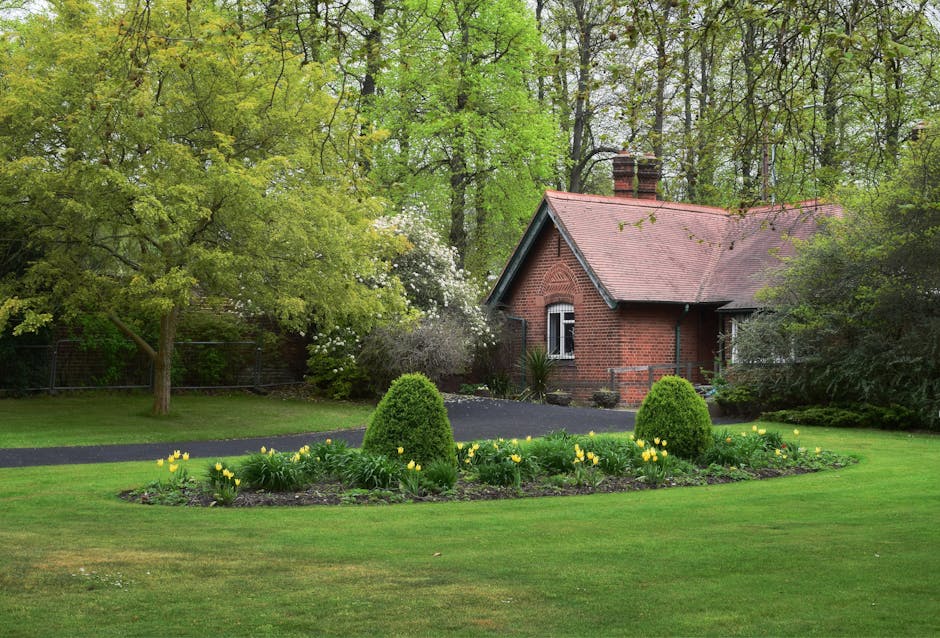
Blackheath Garden Maintenance for Properties by Blackheath Common
If you own or manage a property near Blackheath Common, you already know the garden can change character fast. One windy week and the borders look tired. A bit of shade, a dry spell, then sudden rain, and the lawn starts to sulk. That is exactly why Blackheath garden maintenance for properties by Blackheath Common needs a proper, local approach rather than a generic one-size-fits-all schedule.
Homes close to the Common often face a mix of exposed conditions, mature trees, foot traffic, seasonal leaf fall, and planting that has to look good without becoming high-maintenance. In other words: the garden has to work hard. This guide explains what good maintenance looks like, how it usually works, who benefits most, and what to watch out for if you want a garden that feels tidy, settled, and genuinely cared for. You will also find practical checklists, comparisons, and a realistic step-by-step approach you can actually use.
Along the way, we will also point you towards useful local service pages, including gardening services in London, garden maintenance across London, and the more location-specific Blackheath property services page if you are looking at a broader package. If you need regular seasonal care, the grass cutting service and hedge trimming pages may also be useful.
Quick takeaway: good garden maintenance near Blackheath Common is not just about mowing and tidying. It is about keeping planting healthy, preventing small issues from becoming expensive ones, and making sure the property looks presentable through every season.
Table of Contents
- Why Blackheath garden maintenance for properties by Blackheath Common Matters
- How Blackheath garden maintenance for properties by Blackheath Common Works
- Key Benefits and Practical Advantages
- Who This Is For and When It Makes Sense
- Step-by-Step Guidance
- Expert Tips for Better Results
- Common Mistakes to Avoid
- Tools, Resources and Recommendations
- Law, Compliance, Standards, or Best Practice
- Options, Methods, or Comparison Table
- Case Study or Real-World Example
- Practical Checklist
- Conclusion
- Frequently Asked Questions
Why Blackheath garden maintenance for properties by Blackheath Common Matters
Gardens around Blackheath Common often sit in a slightly awkward but beautiful middle ground. They are urban, but not overly tight. They have access to light and air, but also face the knock-on effects of a busy London setting: dust, compacted soil, leaf litter, drainage quirks, and the occasional patch of stressed turf. To be fair, that is part of the charm. But charm still needs maintenance.
A neglected garden near the Common tends to show problems quickly. Borders get overrun, evergreen shrubs grow lopsided, fences start to look tired, and the front of the property loses its sense of order. That matters for more than appearance. It affects how a home feels when you arrive, how a tenancy is perceived, and how much work is needed later to recover control.
There is also the seasonal side. Spring growth can burst forward fast, summer can leave lawns patchy, autumn brings leaves and damp, and winter exposes structure. If the garden is not managed with those shifts in mind, it can feel like constant catch-up. The goal of maintenance is simple enough: stay ahead of the garden rather than chasing it.
For many households by Blackheath Common, the real value is consistency. Regular attention keeps the property looking cared for, and that calm, settled look is hard to fake. You know it when you see it. The hedge line is clean, the lawn is even, the paths are clear, and the planting feels intentional instead of just surviving.
If you want to extend that care beyond the garden itself, it can help to coordinate with broader exterior upkeep such as property maintenance services and grounds maintenance support. That keeps the whole frontage in step, which matters more than people sometimes realise.
How Blackheath garden maintenance for properties by Blackheath Common Works
A sensible maintenance plan starts with a survey of what the garden actually needs, not what a generic package says it should need. One property may need weekly lawn care and monthly pruning. Another may need seasonal border work, leaf clearance, and occasional hedge shaping. The right approach depends on light, soil, planting style, access, and how the garden is used.
In practice, garden maintenance usually falls into a few core tasks:
- Lawn care: mowing, edging, scarifying where needed, and keeping grass healthy rather than just short.
- Hedge and shrub work: trimming, shaping, and removing dead or weak growth.
- Border maintenance: weeding, mulching, staking, deadheading, and checking plant health.
- Leaf and debris clearance: especially important near mature trees and exposed paths.
- Seasonal jobs: planting, cutting back, dividing perennials, and preparing beds for weather changes.
- Hard surface care: sweeping paths, clearing drains, and keeping patios and front access tidy.
A good provider will usually build a routine around the property rather than forcing the property into a routine. That difference sounds small, but it is huge in real life. A shady garden with heavy leaf fall cannot be treated exactly like a sunny square lawn. It just does not work.
Regular visits may be weekly, fortnightly, or monthly depending on the pace of growth and the level of presentation expected. Some gardens need a hands-on, all-through-the-season approach. Others are better served by seasonal visits and a few targeted interventions when the weather shifts. If the property is let, managed, or periodically occupied, a maintenance plan can also include visual checks for fallen branches, blocked access, or obvious signs of neglect.
If your garden has awkward corners, climbing plants, or old boundary planting, then combining services can be smart. For example, a team handling tree surgery or landscaping alongside routine garden care can solve structural issues before they start eating into the maintenance budget. That is especially helpful in established properties where the garden has simply grown into itself over the years.
Key Benefits and Practical Advantages
The benefits of regular garden maintenance are obvious at first glance, but the deeper advantages are often the ones people notice later. A garden that is looked after tends to demand less rescue work, and rescue work is where time and money disappear fast.
1. Better street and property presentation
When the lawn is neat and the borders are managed, the whole house feels more cared for. It creates a good first impression whether you are welcoming guests, tenants, buyers, or simply coming home after work.
2. Healthier planting
Pruning at the right time, removing dead material, and keeping weeds under control all support healthier growth. Plants breathe better. Soil behaves better. Things look less crowded and more settled.
3. Lower long-term repair work
Leaves left to rot on paths, gutters blocked by debris, and hedges allowed to overrun fences can lead to avoidable problems. Small tasks done regularly are usually much cheaper than a full reset later on.
4. Safer outdoor spaces
Clear paths, tidy edges, and managed growth reduce trip hazards and make access easier. That is especially useful for families, older residents, and properties with front-garden routes used every day.
5. Better seasonal resilience
Blackheath gardens can be pretty exposed at times, so consistency matters. If the garden is maintained with the seasons in mind, it copes better with wind, rain, and heat.
6. Less stress for the owner
Truth be told, one of the biggest benefits is mental. You stop looking at the garden and thinking, "I must sort that this weekend." A maintained garden is one less thing hanging over you.
There is also a subtle but real quality-of-life gain. A tidy garden changes how you use the space. You are more likely to sit out with a cup of tea, open the doors on a mild morning, or let the kids play without worrying about thorny overgrowth. Small thing? Maybe. But it matters.
Who This Is For and When It Makes Sense
This kind of maintenance makes sense for a fairly wide range of property owners and managers near Blackheath Common. The common thread is simple: if the garden has to look good, function well, and stay under control, regular upkeep will pay for itself in reduced hassle.
Homeowners
If you live in the property, you probably want the garden to feel manageable rather than demanding. Regular maintenance suits homeowners who enjoy the garden but do not want to spend every spare Saturday fighting it. It is especially useful if the garden has mature planting, a hedge boundary, or lawn areas that need frequent attention.
Landlords and managing agents
For rental properties, appearance and consistency matter. A tidy exterior helps with viewings, tenant satisfaction, and overall presentation. It also reduces the risk of a property drifting into visible neglect between tenancies. A simple schedule often works best here.
Busy households
If work, travel, children, or caring responsibilities already fill the week, garden maintenance becomes one of those jobs that quietly grows in the background. A regular service can keep everything presentable without turning weekends into catch-up marathons.
Older properties with established gardens
Gardens near Blackheath Common often have mature trees, long-established shrubs, and planting that has been in place for years. Lovely, yes. Also a bit demanding. These gardens often benefit from a maintenance plan that includes selective pruning, careful shaping, and periodic clearing back rather than just mowing.
Properties preparing for sale or refurbishment
If you are getting ready to sell, or want the front and back gardens to complement a wider refresh, regular maintenance can make the whole place feel more composed. Sometimes the difference between "a bit tired" and "well cared for" is simply three or four properly timed visits.
If you are uncertain whether you need routine care or a one-off tidy-up, it can help to start with a broader garden clearance or grounds clearance if the space has got away from you a little. No judgement. Gardens do that.
Step-by-Step Guidance
Here is a practical way to think about getting garden maintenance right, without overcomplicating it.
- Walk the garden properly. Look at the whole site in daylight. Notice the shady corners, drainage issues, weeds in paving, overgrown shrubs, and where the garden feels cramped or bare.
- Separate urgent jobs from ongoing jobs. Urgent might mean a hedge blocking access or a lawn that has gone too long between cuts. Ongoing jobs are the regular stuff: weeding, edging, deadheading, and leaf removal.
- Set the presentation standard. A rental front garden, for example, may need a sharper finish than a private rear garden used mainly for relaxation. Decide what "well maintained" should actually look like.
- Choose a maintenance rhythm. Weekly, fortnightly, monthly, or seasonal visits all have their place. Growth rate and property use should shape the schedule.
- Tackle the structure first. That usually means hedges, trees, large shrubs, and boundary planting. Once the structure is sorted, the fine detail is easier to keep under control.
- Keep on top of waste. Removed clippings, branches, and leaves should be cleared away properly. Leaving them in piles is one of those jobs that looks harmless until it is suddenly not.
- Review after a month or two. Is the garden improving? Are certain areas still getting missed? Does the schedule need adjusting for season or weather?
That review step is the bit people often skip. Then they wonder why the garden still feels untidy. A maintenance plan should evolve with the garden. A bit obvious, perhaps, but easy to forget when life is busy.
One useful habit is to keep a simple note of seasonal tasks. For example, spring may focus on feeding and shaping, while autumn may lean more toward clearing, cutting back, and preparing beds for colder weather. Once that rhythm becomes familiar, the work feels much lighter.
Expert Tips for Better Results
After years of looking at gardens that are nearly right but not quite, a few patterns stand out. The following tips make a real difference.
Work with the garden's natural shape
Trying to force every border into a rigid line usually creates more work than it solves. Around Blackheath, some of the nicest gardens keep a slightly softer character. Let the structure breathe a little. It often looks better and ages better too.
Don't overcut lawns in dry weather
It is tempting to mow low because it looks neat for a moment. But in dry spells, scalping a lawn can make it weak and patchy. Leaving a bit more length protects the grass and helps it hold moisture.
Mulch where possible
A sensible layer of mulch around shrubs and borders helps retain moisture, suppress weeds, and give beds a more finished look. It also saves time later, which is never a bad thing.
Trim hedges before they become a problem
Once a hedge gets too broad or too tall, it can dominate the garden and take more time to correct. Regular shaping is usually easier than major reduction. If the hedge has gone beyond routine cutting, a more serious hedge cutting approach may be needed.
Prioritise visibility at entrances
Front gardens do a lot of public-facing work. Keep entrances, paths, and sightlines clear. A neat entrance has an outsized impact. It really does.
Be realistic about access and storage
Some gardens near the Common have narrower access points, shared side passages, or awkward rear entries. Maintenance plans should factor that in, because carrying waste and equipment through tight access changes how long a job takes.
Use seasonal moments wisely
Early morning inspections after rain, or a quick look in late afternoon when light falls across the border, can reveal issues more clearly than a quick glance at midday. You see weeds, uneven mowing, and tired planting in a different way. Small detail, big help.
Common Mistakes to Avoid
Most garden problems near Blackheath Common do not begin as disasters. They begin as tiny delays. A week late here, a trim skipped there, and suddenly the whole garden looks out of sync.
- Waiting too long between visits. Once growth gets ahead, maintenance becomes restorative rather than routine. That is more expensive and less satisfying.
- Ignoring the edges. Borders, path edges, and fence lines often tell the real story. If they are untidy, the whole garden feels unfinished.
- Cutting back everything at once. Heavy-handed pruning can damage plant shape and reduce seasonal interest. Selective work is usually smarter.
- Forgetting leaves and debris. A garden can look decent for a day and then feel shabby if fallen material is left in place too long.
- Using the wrong maintenance frequency. Some gardens need more frequent attention than others. One schedule does not fit all.
- Overlooking drainage and soil condition. If the ground is compacted or waterlogged, the garden will struggle no matter how tidy it looks on the surface.
- Hiring purely on price. Cheap work that misses details or causes plant damage often costs more in the end. A careful, steady service is usually better value.
A slightly messy border is not the end of the world. But repeated neglect tends to show in the same places: lawn health, hedge lines, and the bits people pass every day. Funny how that works.
Tools, Resources and Recommendations
The right tools do not magically create good maintenance, but they make the work safer, quicker, and more consistent. For most residential gardens, the basics are fairly straightforward.
| Task | Useful tools | What to look for |
|---|---|---|
| Lawn care | Mower, edging tool, rake | Clean cuts, adjustable height, reliable collection |
| Hedge work | Hand shears, hedge trimmer | Sharp blades and controlled shaping |
| Border maintenance | Fork, trowel, cultivator, gloves | Comfort, grip, and easy handling in tight spaces |
| Leaf clearance | Rake, leaf blower, collection sacks | Efficient clearing without damaging planting |
| General tidy-up | Secateurs, pruning saw, broom | Sharp cutting edges and good reach |
For larger or more demanding properties, professional-grade equipment often gives a cleaner result and less disruption. That matters if you have mixed planting, steep access, or mature growth that needs careful handling.
It is also worth having a few sensible support services in mind. For example, if a boundary hedge has become too dense, a shrub and hedge trimming service can restore shape without stripping the garden bare. If the whole outdoor space needs a reset after a period of neglect, landscaping services may be the better route before routine maintenance resumes.
And if you are comparing ongoing care with a one-off intervention, ask yourself a simple question: do you need the garden to be rescued once, or managed well all year? That answer usually points you in the right direction.
Law, Compliance, Standards, or Best Practice
Garden maintenance is not usually a heavily regulated activity in itself, but there are still important UK best-practice points to keep in mind. The main one is straightforward: work should be carried out safely, with suitable equipment, careful handling of waste, and respect for neighbouring properties.
For larger jobs, especially those involving trees, boundary work, or access near shared areas, it is sensible to check whether permission or notice is needed before cutting back anything that may belong to someone else or be protected in some way. That is not glamorous, but it avoids awkward conversations later.
Noise and timing also matter in a residential area like Blackheath. Early starts, weekend disruption, and repeated loud work can affect neighbours. A considerate service will plan work sensibly and keep disturbance to a minimum where possible.
Horticultural best practice also matters. Good pruning is not just chopping things down. It is about timing, plant health, clean cuts, and understanding what the plant is meant to do next season. You can often tell the difference at a glance, even if you do not know the technical terms.
Waste handling should be tidy and responsible too. Clippings, branches, and removed material should be collected and disposed of properly rather than left hidden in the corner for later. Later has a way of becoming never.
Options, Methods, or Comparison Table
If you are deciding how to manage a garden by Blackheath Common, the main choice is usually between doing it yourself, hiring help for occasional tasks, or putting a regular maintenance plan in place. Each option has a place.
| Option | Best for | Pros | Cons |
|---|---|---|---|
| DIY upkeep | Small, simple gardens and hands-on owners | Lower direct cost, flexible timing | Time-consuming, easy to fall behind, equipment needed |
| Occasional tidy-up | Gardens that get away seasonally | Useful for resets, less commitment | Problems can build between visits |
| Regular maintenance | Most residential properties, rentals, and mature gardens | Consistency, better presentation, fewer surprises | Ongoing cost, needs a good schedule |
In many cases, regular maintenance wins because it keeps the garden from drifting. But if the space is small and simple, or you genuinely enjoy the work, DIY may be perfectly sensible. The key is honesty. Some people love pruning on a Sunday morning. Others would rather do almost anything else. Both are fair enough.
If your priority is seasonal appearance, combine routine care with occasional specialist work. If your priority is ease, choose a maintenance plan that covers the basics regularly rather than relying on last-minute fixes. That simple decision can save a lot of frustration.
Case Study or Real-World Example
Consider a typical property near Blackheath Common: a front garden with a modest lawn, a hedge boundary, a few mature shrubs, and a rear garden that gets some shade from nearby trees. Nothing dramatic. Just the sort of garden that looks fine in early spring and then slowly starts to drift by midsummer.
The owner notices the hedge is leaning outward a bit, the lawn is patchy at the edges, and leaves from nearby trees collect along the back fence. It is not a crisis. But it is beginning to feel unfinished. Visitors still see a nice house, yet the garden is no longer matching it.
A sensible maintenance plan might do the following:
- Start with a full tidy-up and clearance of debris
- Reshape the hedge and remove weak growth
- Cut and edge the lawn properly
- Weed the borders and add mulch
- Check for drainage issues where leaves and shade have affected the soil
- Set a lighter follow-up schedule to keep the space in shape
Within a few visits, the garden looks calmer. Not redesigned, not overworked, just better. The house feels more finished, the entrance is clearer, and the owner is no longer doing constant mental maths about when the next tidy-up needs to happen.
That is the real win, honestly. Not perfection. Just a garden that holds together nicely through the seasons.
Practical Checklist
Use this checklist if you are planning or reviewing garden maintenance near Blackheath Common.
- Check lawn condition and mowing frequency
- Inspect hedges for shape, density, and access issues
- Look for weeds in borders, paths, and joints
- Remove leaves, fallen twigs, and other debris
- Assess whether shrubs need pruning or deadheading
- Review drainage and damp areas after heavy rain
- Make sure entrances and paths are clear and safe
- Confirm waste removal is included or arranged
- Decide whether the garden needs weekly, monthly, or seasonal care
- Note any tree-related work that may need specialist attention
- Check whether the current schedule is keeping pace with growth
- Plan for spring and autumn tasks before the season changes
If you can tick most of those boxes, you are already ahead of the game. If not, that is fine too. Gardens are forgiving, up to a point.
Conclusion
Good garden maintenance by Blackheath Common is really about balance. Keep the space tidy, but not overworked. Keep it healthy, but not fussy. Keep it consistent, because consistency is what stops small problems from becoming expensive ones.
For homeowners, landlords, and property managers alike, a sensible maintenance plan makes the garden easier to live with and better to look at. It also gives the property the kind of calm, cared-for appearance that people notice even if they cannot quite say why. That is often the difference between a garden that merely exists and one that genuinely adds value to a home.
If you are ready to sort the garden properly, start with the basics, choose the right rhythm, and get help where the work has outgrown a simple weekend tidy. A well-kept garden near Blackheath Common has a quiet kind of confidence about it. Lovely thing, that.
Get a free quote today and see how much you can save.
For a broader view of related services, you may also want to look at property maintenance support and garden care across London to see how everything can sit together neatly.
Frequently Asked Questions
How often do gardens near Blackheath Common usually need maintenance?
It depends on growth rate, planting style, and how presentable the property needs to be. Many gardens do well with fortnightly or monthly visits during the growing season, with lighter seasonal work in quieter months. Fast-growing hedges and lawns usually need more frequent attention.
What does regular garden maintenance typically include?
Most plans cover mowing, edging, hedge trimming, border weeding, pruning, leaf clearance, and general tidying. Some properties also need seasonal planting, mulch top-ups, or more targeted work on shrubs and trees.
Is garden maintenance different from garden clearance?
Yes. Garden maintenance is ongoing care to keep the garden in shape. Garden clearance is usually a larger one-off job, often used when a space has become heavily overgrown or neglected. If your garden has got away from you, clearance is often the best first step before maintenance begins.
Do front gardens need more attention than back gardens?
Often, yes. Front gardens are more visible and set the tone for the whole property. Even a small amount of tidying can make a big difference to how the house feels from the street.
What are the biggest problems in gardens by Blackheath Common?
Common issues include leaf fall, shaded areas, uneven lawn growth, hedge overgrowth, compacted soil, and borders that fill with weeds faster than expected. Mature planting can also need more careful pruning than people first assume.
Can garden maintenance help a rental property look more professional?
Absolutely. A tidy exterior makes a rental look cared for and easier to manage. It can also reduce the chance of the garden slipping into visible neglect between tenancies or during quieter periods.
Should I hire regular maintenance or book one-off visits?
If the garden grows quickly or needs a reliable standard of presentation, regular maintenance is usually the better choice. One-off visits can work for occasional resets, but they do not prevent issues from building up again.
What should I ask before booking a garden maintenance service?
Ask what is included, how often visits happen, whether waste removal is included, how the team handles hedges and shrubs, and whether they can adapt the schedule seasonally. It is also worth checking whether they understand the specific demands of your property.
Are there any compliance issues I should think about?
Yes, mainly around safe working, waste handling, neighbour consideration, and checking whether any tree or boundary work needs permission or special care. For anything unusual or potentially sensitive, a cautious approach is best.
What is the best time of year to start garden maintenance?
Spring is a natural time to begin because growth picks up, but honestly, any time is better than waiting too long. Autumn is also useful for clearing leaves, reducing clutter, and preparing the garden for winter.
How do I know if my hedge needs trimming or a bigger reduction?
If the hedge is only slightly untidy, routine trimming is usually enough. If it has become too tall, too wide, or has started blocking light and access, it may need a more substantial cut back. In that case, a careful assessment is wise before anything is removed.
Can landscaping improve maintenance in the long run?
Yes, it can. Sometimes a garden is simply badly arranged for easy upkeep. Small changes to borders, paths, planting layout, or drainage can make routine maintenance much easier over time.
What if my garden only needs seasonal attention?
That is completely fine. Not every property needs frequent visits. Some gardens are best managed with spring and autumn work, plus a few targeted visits when growth or debris becomes an issue. The right plan depends on how the space is used and how quickly it changes.